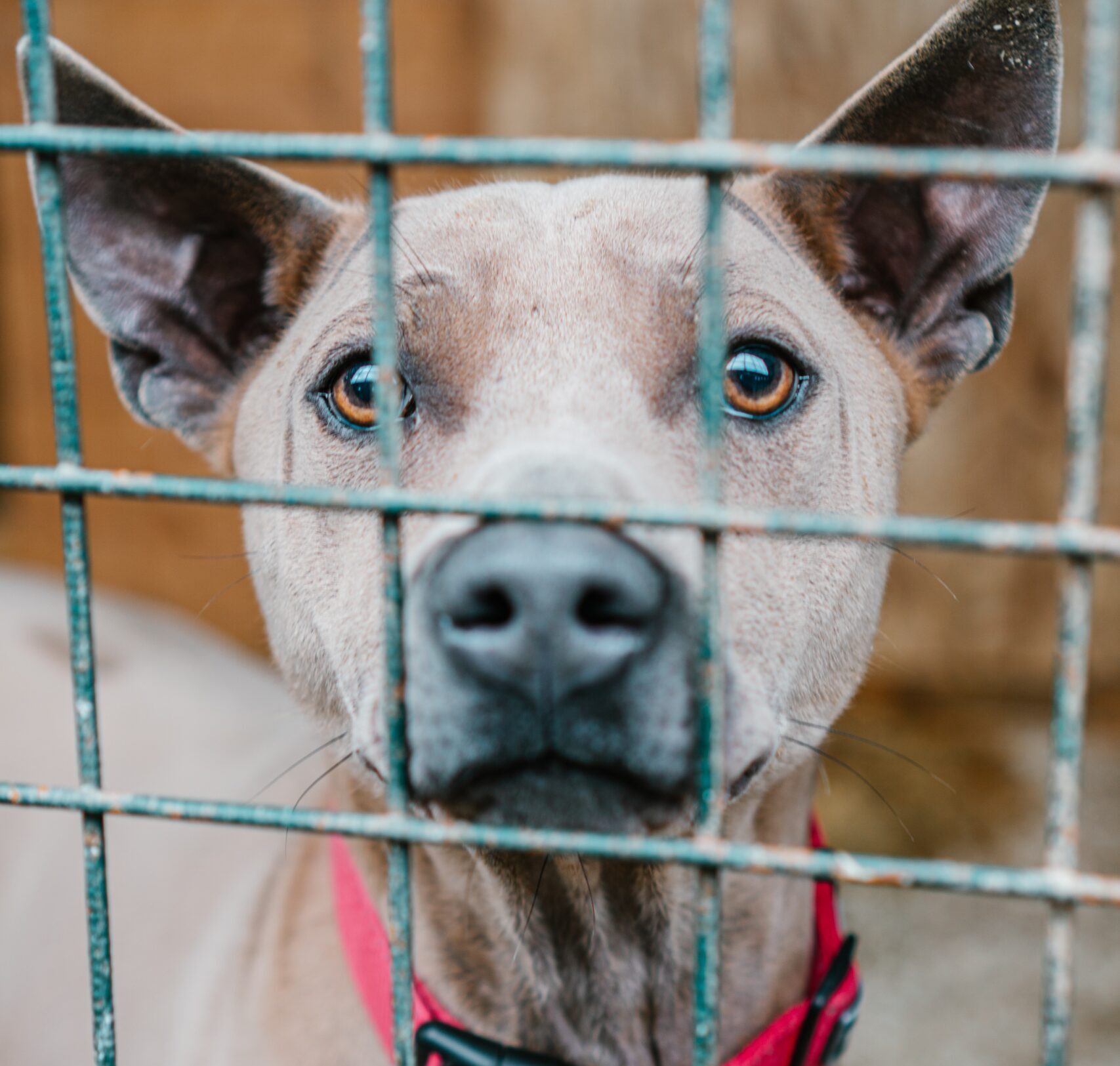
Every year, pets that have been mistreated and abandoned fill shelters to the maximum. Most of the time, they are limited in how many dogs they can take since there aren’t enough homes that will bring in rescue dogs. By making space for other animals, you save two lives when you adopt a dog from a shelter.
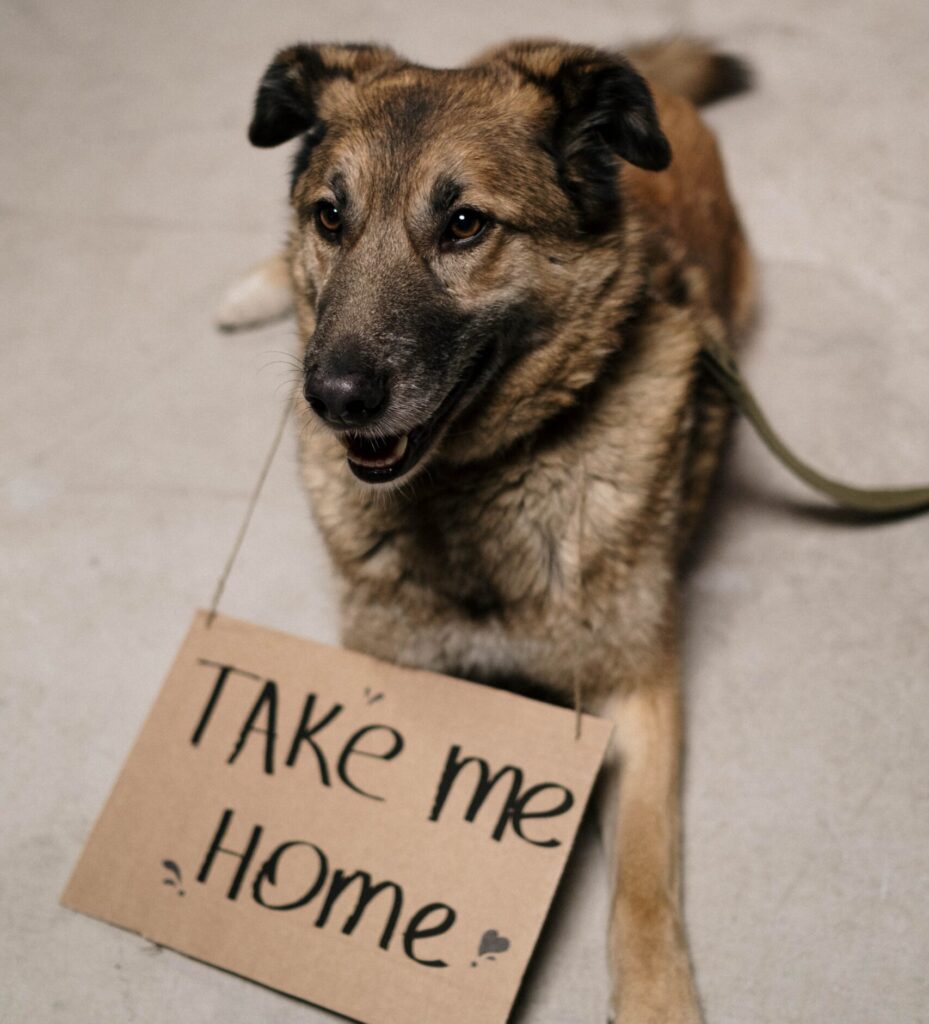
Knowing the 3-3-3 rule is crucial if you have recently adopted a rescue dog and will be bringing them home. Moreover, if you require assistance in training them, this post is for you!
Many triggers can harm a dog that has been rescued. They can be alarmed by even quiet noises and movements. Make a list of the triggers and rank them from most to least powerful.
By using tolerance and counterconditioning, you can handle anxiety and fear-based difficulties. These two imply that when a stimulus that produces fear is encountered, a reward is provided to establish a positive association.
The Key is Patience
Your dog can be distant from you for the first several weeks. His actual personality may not surface for several weeks after adoption due to the surroundings changes. Your dog will eventually trust you if you are realistic, expect an adjustment period, and set only achievable goals.

Make a Schedule
Everyone finds change to be stressful, but rescued pets particularly do. Maintain a regular schedule. A schedule at home, whether for meals or walks, might make your dog feel more at ease because some rescue dogs have had an erratic life.
Socialization
Puppy socialization is essential between the ages of 3 and 14 weeks. If your dog firstly exhibits signs of anxiety, don’t be annoyed; instead, give him time to slowly get used to everything going on around him.
Crate Instruction
Your dog can have its own place with the aid of crates. A dog that has been saved may have to go through several homes after leaving the shelter before he finds the right family. He may adjust more readily if he has a secure location in your house to go to in times of stress.

Some dogs displaying behavioral issues might benefit from professional dog training help. Ask the specialists at the shelter about your dog’s past and pay attention to their advice. If you require assistance, ask them for it.


